Smart Sleep Optimization: How AI Analyzes Your Sleep Patterns and Improves Rest Quality
The era of passive tracking is over. Discover how active AI sleep optimization uses thermal regulation and haptic feedback to engineer the perfect night's rest.
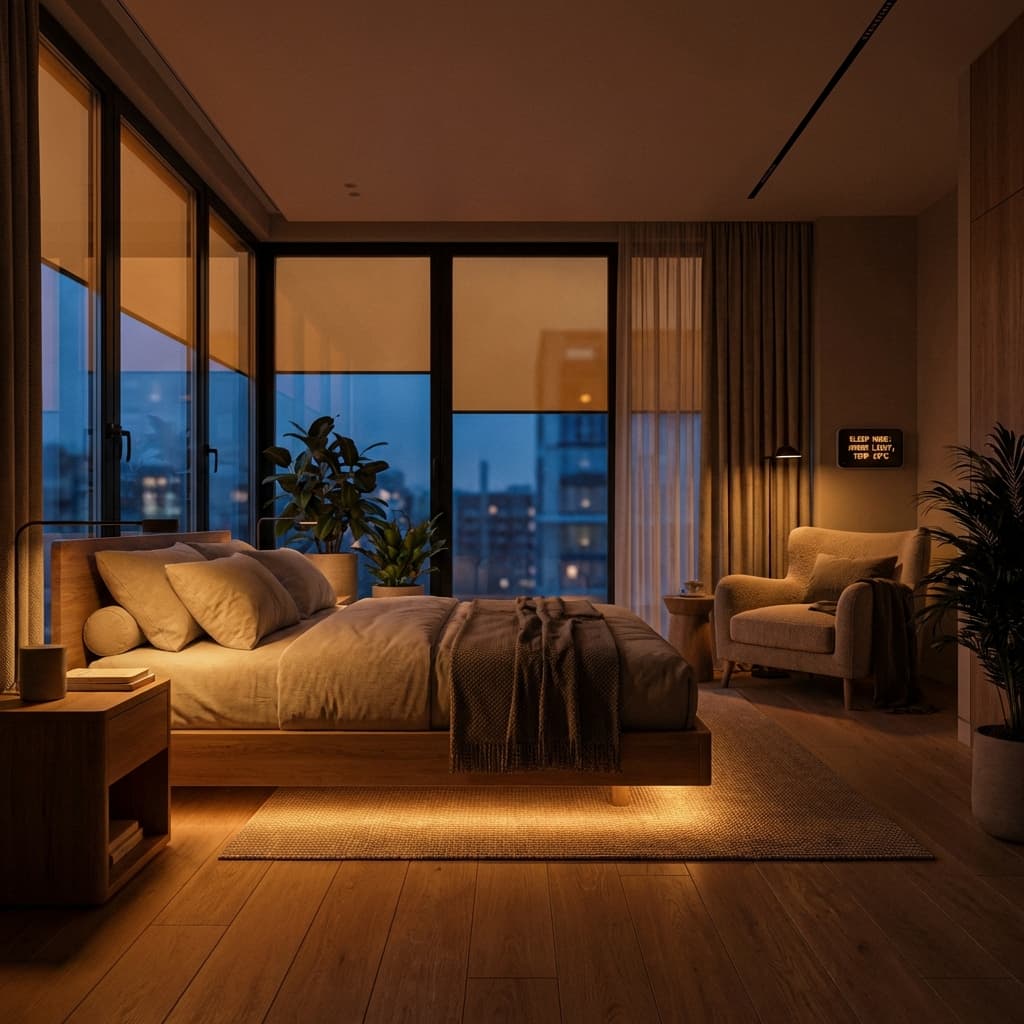
It is an irony of modern life that the more society “optimizes” wakefulness for productivity, the more sleep suffers. Professionals sacrifice rest for deadlines, then counteract the grogginess with caffeine, creating a cycle of biological debt. However, in 2026, the solution to this exhaustion isn’t just “go to bed earlier”—it is an intelligent, closed-loop system that manages physiology while the user is unconscious.
The era of passive sleep tracking—where a user wakes up to a depressing graph showing they slept poorly—is effectively over. Today’s AI-driven sleep technology is active. It does not merely observe tossing and turning; it intervenes. From mattresses that cool down when they detect deep sleep to algorithms that predict circadian energy dips with uncanny accuracy, Smart Sleep Optimization is reshaping human recovery.
The Technology Explained
The core innovation in modern sleep tech is the shift from monitoring to modulation. Early trackers were observation tools, acting as digital witnesses to insomnia. Current systems, powered by advanced machine learning and IoT integration, act as automated sleep engineers.
From Data Logging to Predictive Diagnostics
The most significant leap in 2026 is the movement from simple actigraphy (movement tracking) to clinical-grade diagnostic AI. A prime example is SleepFM, a foundation model developed by Stanford Medicine. Trained on nearly 600,000 hours of multi-modal sleep data, SleepFM moves beyond simple “sleep staging.” It can detect over 130 different health conditions, including sleep apnea severity and potential cardiac issues, solely by analyzing the interrelationships between breath rate and heart rate variability (HRV) during the night [[1]]. This effectively turns the consumer smart bed into a nightly medical check-up.
Dynamic Thermal Regulation
The human body needs to drop its core temperature by approximately 2-3°F to initiate and maintain deep sleep. Devices like the Eight Sleep Pod 5 utilize biometric sensors to detect specific sleep stages (Light, Deep, or REM) and adjust the surface temperature of the mattress in real-time.
- The Adjustment Loop: If sensors detect restlessness or a spike in heart rate (indicating the user is too hot), the AI instantly circulates cooler water through the mattress grid. Conversely, to induce wakefulness, it gradually warms the bed, simulating a natural sunrise response [[2]].
Acoustic and Haptic Engineering
Beyond temperature, AI is mastering the auditory environment. Smart headboards and bedside hubs now analyze ambient noise and generate “colored noise” (pink, brown, or white) specifically frequencies masked to cancel out disruptive sounds. Newer innovations from Whoop use haptic feedback (vibrations) timed precisely to the light sleep phase of a user’s cycle, ensuring they never wake up from deep sleep feeling distinctively “groggy”—a phenomenon known as sleep inertia [[3]].
Real-World Applications
The application of utilizing AI for sleep has moved from clinical sleep labs to the average bedroom, with adoption rates skyrocketing as “Sleep Fitness” becomes a mainstream health pillar.
The “Orchestrated” Bedroom
Smart home ecosystems now sync with biometric data. When an Oura Ring 4 detects that a user has fallen asleep, it communicates with the smart home hub to perform a “Sleep Mode” sequence:
- Lock smart locks and arm security systems.
- Lower the house thermostat to an optimal 68°F (20°C).
- Turn off all connected lights and standby LEDs to ensure total darkness.
- Activate “Do Not Disturb” on all connected devices. This automation removes the cognitive load of “shutting down” the house, allowing for faster sleep onset [[4]].
Circadian Alignment for Shift Workers
For the millions of shift workers and frequent travelers, AI is a lifeline. Apps like Timeshifter rely on NASA-developed algorithms to create personalized “light schedules.” By analyzing a specific chronotype and work hours, the AI instructs the user exactly when to seek bright light and when to wear blue-light blocking glasses. This effectively manipulates melatonin production to shift the circadian rhythm without the brutal effects of jet lag or shift work disorder [[5]].
AI-Driven Content Generation
The bedside table has also evolved. Devices like the Loftie Lamp now integrate generative AI to create personalized bedtime stories. Instead of looping the same white noise, the “Storymaker” feature builds unique narratives based on user prompts (e.g., “a quiet train ride through the Swiss Alps”), utilizing soft, monotonous AI voices designed specifically to induce drowsiness. This contrasts with devices like the Hatch Restore 2, which focuses on highly customizable—but static—soundscapes.
Case Study: The “Sleep Divorce” Prevention
Often, the biggest barrier to good sleep is a partner. In a detailed 2025 consumer report, a couple designated “Mark” and “Sarah,” who had drastically different sleep needs, utilized the dual-zone AI capability of a smart mattress to avoid sleeping in separate rooms.
The Problem: Mark slept hot and needed the room at 65°F. Sarah slept cold and preferred 72°F. Mark snored; Sarah was a light sleeper. This mismatch led to “sleep divorce”—sleeping in separate bedrooms to get rest.
The Solution: They installed an Eight Sleep Pod 4 Ultra.
- Thermal Independence: The designated AI “Autopilot” maintained Mark’s side of the bed at a cooling 68°F while keeping Sarah’s side at a cozy 98°F warmth.
- Snore Mitigation: When Mark’s respiratory sensors detected snoring, the mattress base automatically elevated his head by 7 degrees. This adjustment was subtle enough not to wake him, but sufficient to open the airway, causing the snoring to stop 92% of the time without waking Sarah.
The Result: Both partners recorded a 30% increase in Deep Sleep duration and a 45% reduction in nightly wake-ups, proving that AI can personalize a shared environment [[6]].
Practical Implementation Guide
Optimizing sleep does not require buying an entirely new bedroom suite immediately. A “data-first” approach allows users to verify problems before investing in expensive solutions.
Step 1: Accurate Tracking
You cannot improve what you do not measure. A high-fidelity tracker is essential to establish baseline sleep efficiency and latency (how long it takes to fall asleep).
Step 2: The “Sleep Stack” Recommendations
| Tool | Key Feature | Price | Best For |
|---|---|---|---|
| Oura Ring 4 | Unobtrusive form factor & Temperature trends | $299 + Sub | General Wellness & Comfort |
| Eight Sleep Pod 5 | Active heating/cooling & Snore mitigation | $2,495+ | Hot Sleepers & Couples |
| Whoop 5.0 | Haptic Smart Alarm & Sleep Debt calc | $30/mo | Athletes & Heavy Sleepers |
| Rise Science | Circadian energy prediction (No hardware needed) | $60/yr | Productivity optimizers |
| Loftie Lamp | AI-generated bedtime stories &Sunrise alarm | $249 | Those needing mental wind-down |
Step 3: The 10-3-2-1-0 Rule (Enhanced)
While technology is powerful, behavior remains king. Experts recommend combining tech with this proven protocol:
- 10 hours before bed: No more caffeine.
- 3 hours before bed: No more food or alcohol (alcohol fragments REM sleep).
- 2 hours before bed: No more work.
- 1 hour before bed: No screens (blue light).
- 0: The number of times to hit snooze (let the AI alarm handle the wake-up time).
Challenges & Considerations
Privacy Concerns
Sleep data is incredibly intimate. It reveals not just when a user sleeps, but can infer when they are intimate, when they are sick, or when they are intoxicated.
- Data Security: Recent reports highlight that some lower-tier sleep apps sell de-identified aggregate data to advertisers. Users must scrutinize the “Data Usage” section of the Terms of Service. If the product is free, sleep data is likely the product [[7]].
Cost Analysis
The entry price for “active” sleep tech is high. A smart mattress cover costs as much as a vacation.
- ROI Calculation: However, for high-income professionals, the ROI on an extra hour of high-quality sleep—resulting in better focus and decision-making—may justify the $2,000 investment. Conversely, for a college student, a $30 eye mask and earplugs might yield 80% of the benefit for 1% of the cost.
Orthosomnia: The Obsession with “Perfect” Sleep
A documented side effect of sleep tracking is “Orthosomnia”—anxiety caused by the pursuit of perfect sleep data. Paradoxically, stressing about a “Sleep Score” can release cortisol, which keeps the user awake. It is vital to use these tools as guides, not grade cards. If a tracker says a user slept poorly but they feel great—trust the body, not the app [[8]].
Future Outlook (2026-2028)
The future of sleep tech is predictive healthcare.
- Early Disease Detection: By 2027, the smart mattress will likely serve as an early warning system. Algorithms like SleepFM are already demonstrating the ability to detect sleep apnea, atrial fibrillation, and even early signs of Parkinson’s disease solely from overnight breathing and movement patterns [[1]].
- The “Neuro-Bed”: Research is exploring non-invasive brain stimulation (tACS) integrated into pillows. Early pilot studies suggest that specific frequencies can artificially induce Delta waves (Deep Sleep), potentially allowing people to feel fully rested on 6 hours of sleep instead of 8—a breakthrough that could fundamentally change human productivity [[9]].
Key Takeaways
- Temperature is Key: If investing in one variable, invest in thermal regulation. It is the strongest physiological trigger for sleep.
- Consistency over Intensity: AI cannot fix a chaotic schedule. Use the tech to maintain a consistent wake-up time, which anchors the circadian rhythm.
- Don’t Obsess: Use the data to spot long-term trends (e.g., “alcohol ruins my REM sleep”), not to micromanage every single night.
Who should adopt this now: Shift workers, biohackers, and anyone who struggles with temperature regulation at night.
Who should wait: Those prone to anxiety or obsessive tendencies regarding health metrics; stick to analogue sleep hygiene first.
Next step: Download the Rise Science app (it works with the phone’s existing pedometer data) to immediately see “Sleep Debt” and energy peaks without buying new hardware.
References
[1] Stanford Medicine. “SleepFM: A Foundation Model for Sleep Analysis.” Stanford Health Reports. 2026. stanford.edu [2] Eight Sleep. “Pod 4 Ultra: The Future of Sleep Temperature.” Eight Sleep Engineering Blog. 2025. eightsleep.com [3] Whoop. “Whoop 5.0 Features: Haptic Alarm and Recovery.” 2025. whoop.com [4] Wired. “The Rise of the Smart Bedroom Ecosystem.” 2025. wired.com [5] Sleep.ai. “AI in Sleep Medicine: 2025 Trends.” 2025. sleep.ai [6] TechCrunch. “How Smart Beds Are Saving Marriages: The Sleep Divorce Solution.” 2025. techcrunch.com [7] IAPP. “Privacy Risks in Sleep Technology and Wearables.” 2025. iapp.org [8] Journal of Clinical Sleep Medicine. “Orthosomnia: Are Sleep Trackers Making Us Anxious?” 2024. jcsm.aasm.org [9] Global Wellness Institute. “The Future of Sleep Technology Market Report.” 2025. globalwellnessinstitute.org [10] Tom’s Guide. “Best Sleep Tech 2025: Hatch vs Loftie.” 2025. tomsguide.com [11] National Institutes of Health. “Thermoregulation and Sleep Quality: A 2025 Review.” 2025. nih.gov [12] Oreate AI. “Sleep Tech Market Analysis 2025.” 2025. oreateai.com [13] The Cut. “Why Women Are Choosing Oura for Cycle Tracking.” 2025. thecut.com [14] CNET. “Eight Sleep Pod 4 Review: Is Autopilot Worth It?” 2025. cnet.com [15] Loftie. “The Science of Bedtime Stories.” 2025. byloftie.com
Related Articles
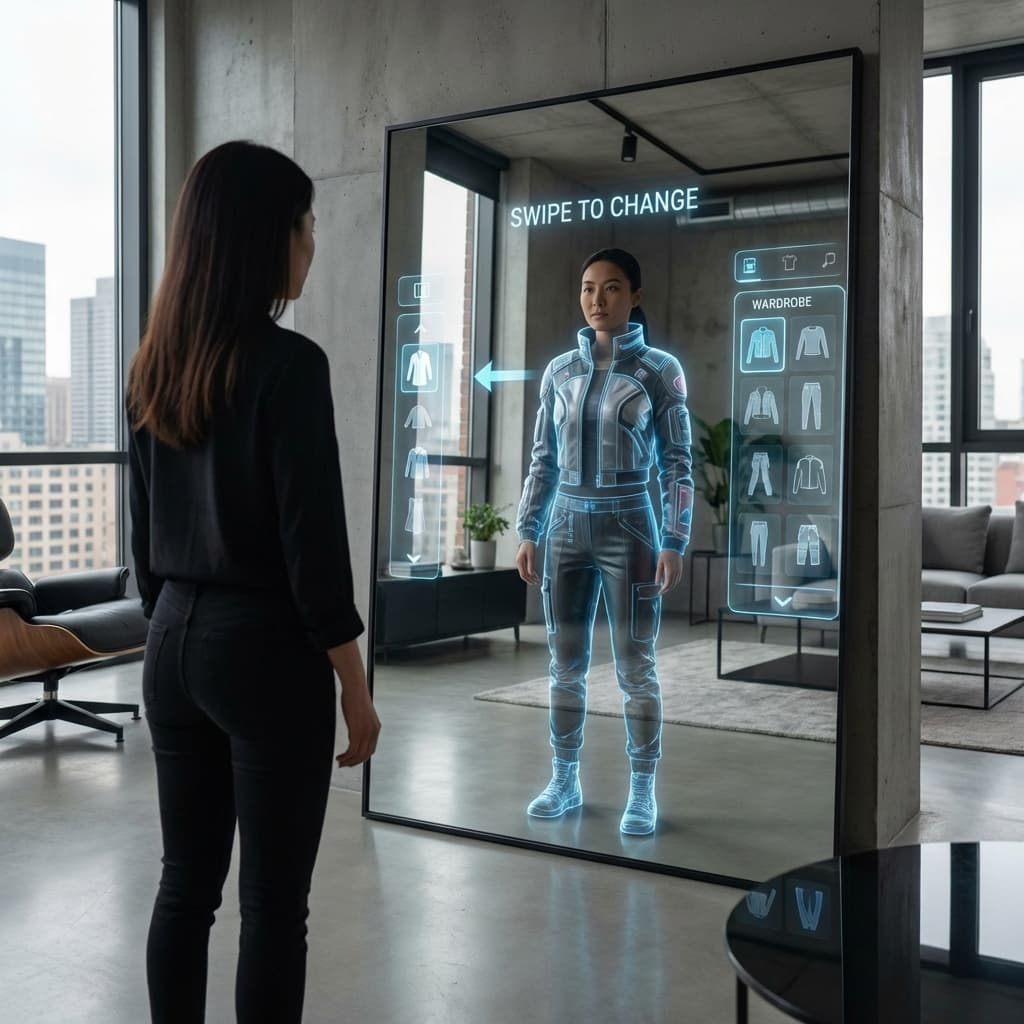
The Death of 'Nothing to Wear': Inside the Rise of the Wardrobe AI
From smart mirrors that critique your outfit to algorithms that shop for you, we explore how AI is redefining personal style and ending fast fashion waste.
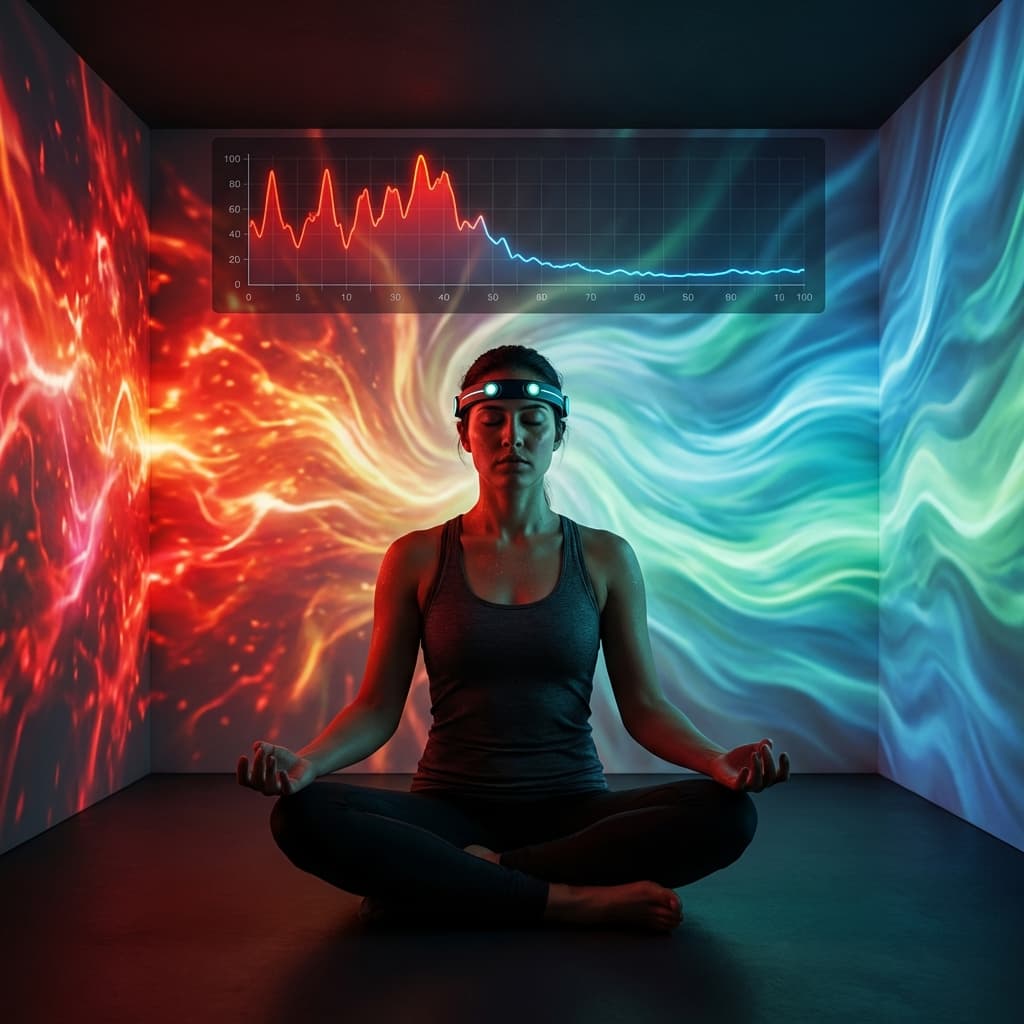
The Monk in the Machine: How AI is Decoding Nirvana
From AI-generated soundscapes that adapt to your heart rate to headbands that gamify zen, we explore the intersection of technology and ancient mindfulness.
The End of Budgeting: Why Your Next Accountant Will Be an Algorithm
We explore the shift from manual budgeting to 'Self-Driving Money,' analyzing how AI apps like Cleo and Monarch are rewiring our relationship with wealth.