Explore UI/UX principles, design systems, and visual strategies that create stunning experiences.
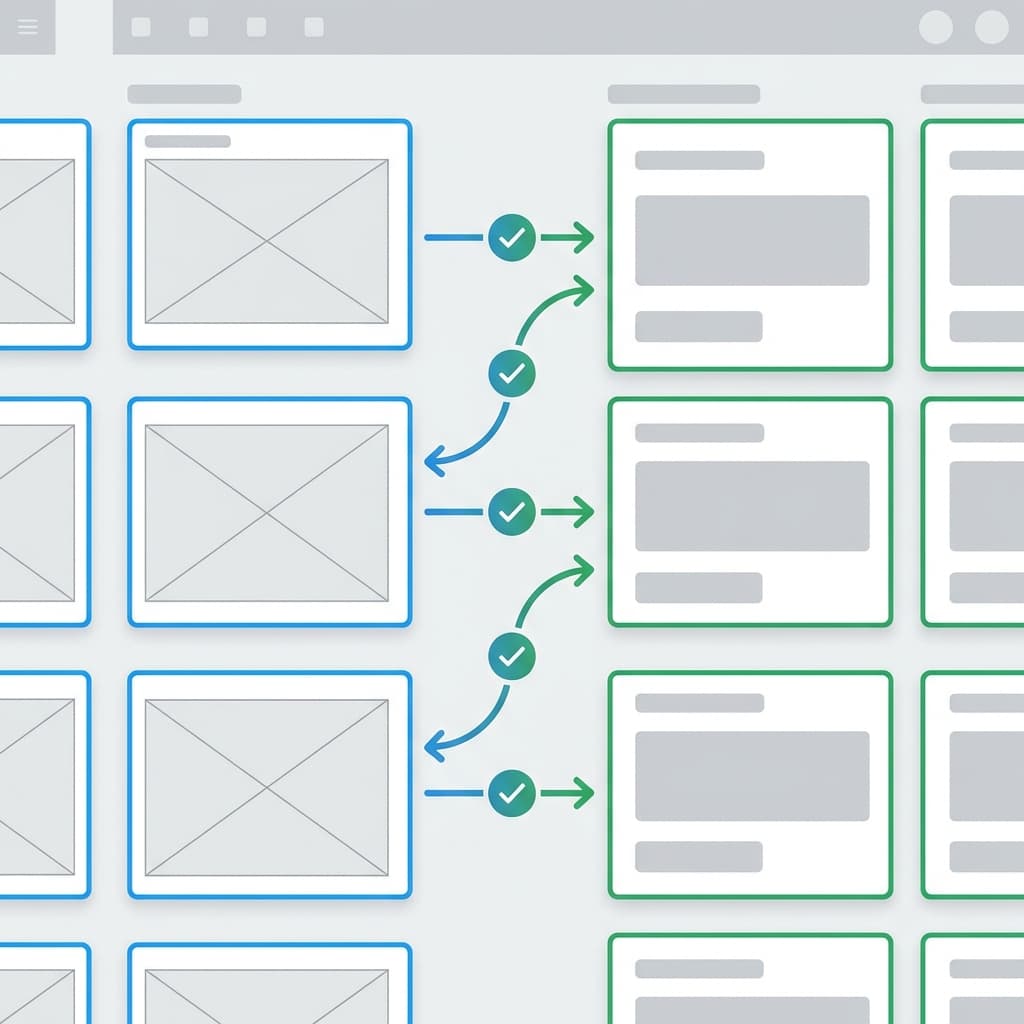
How to use AI to automate redlines, manage Jira tickets, and QA your designs. Tools like Zeplin, Linear, and custom Figma scripts.
We live in a post-mouse world. How to prototype Voice UIs using Voiceflow, Vision Pro apps using Spline, and multimodal AI interactions without writing code.
Standard "personas" are dead. Learn how adaptive UIs use real-time data to change layout, content, and flow for individual users. Tools like Dynamic Yield and personalized Layout LMs.
AI can auto-generate alt text, simulate color blindness, and audit contrast. But can it replace a human audit? We explore tools like Stark and axe DevTools.
How to use Runway Gen-3, Lottie, and After Effects AI to create immersive product storytelling. We compare text-to-video tools vs UI animation tools.
UX writing is design. Learn how to use Notion AI, Ditto, and Jasper to generate error messages, onboarding flows, and empty states that sound human.
How to use Midjourney, Firefly, and custom models to create distinctive brand identities. We explore the legal safety of Adobe Firefly vs the stylistic freedom of Midjourney.
How design teams are using tools like Dovetail and Notion AI to synthesize user interviews at scale. We cover specific workflows, risks of bias, and how to maintain the "human ear" in automated analysis.
How AI is evolving design systems from static libraries into living, self-documenting ecosystems. We analyze Knapsack, Supernova, and new workflows for token automation.
Designing interfaces that adapt in real-time to user intent and context.
Generative UI promises interfaces that adapt to user intent in real-time. This article explores the design principles, cognitive load implications, and accessibility challenges of dynamic interfaces.
Motion in UI is often treated as decoration, but its real value is communication. This article explores how motion supports usability, reduces cognitive load, and respects accessibility preferences.
Dark mode is a user expectation, but implementing it correctly requires understanding contrast, color volume, and visual fatigue. This article explores the design system approach to accessible themes.
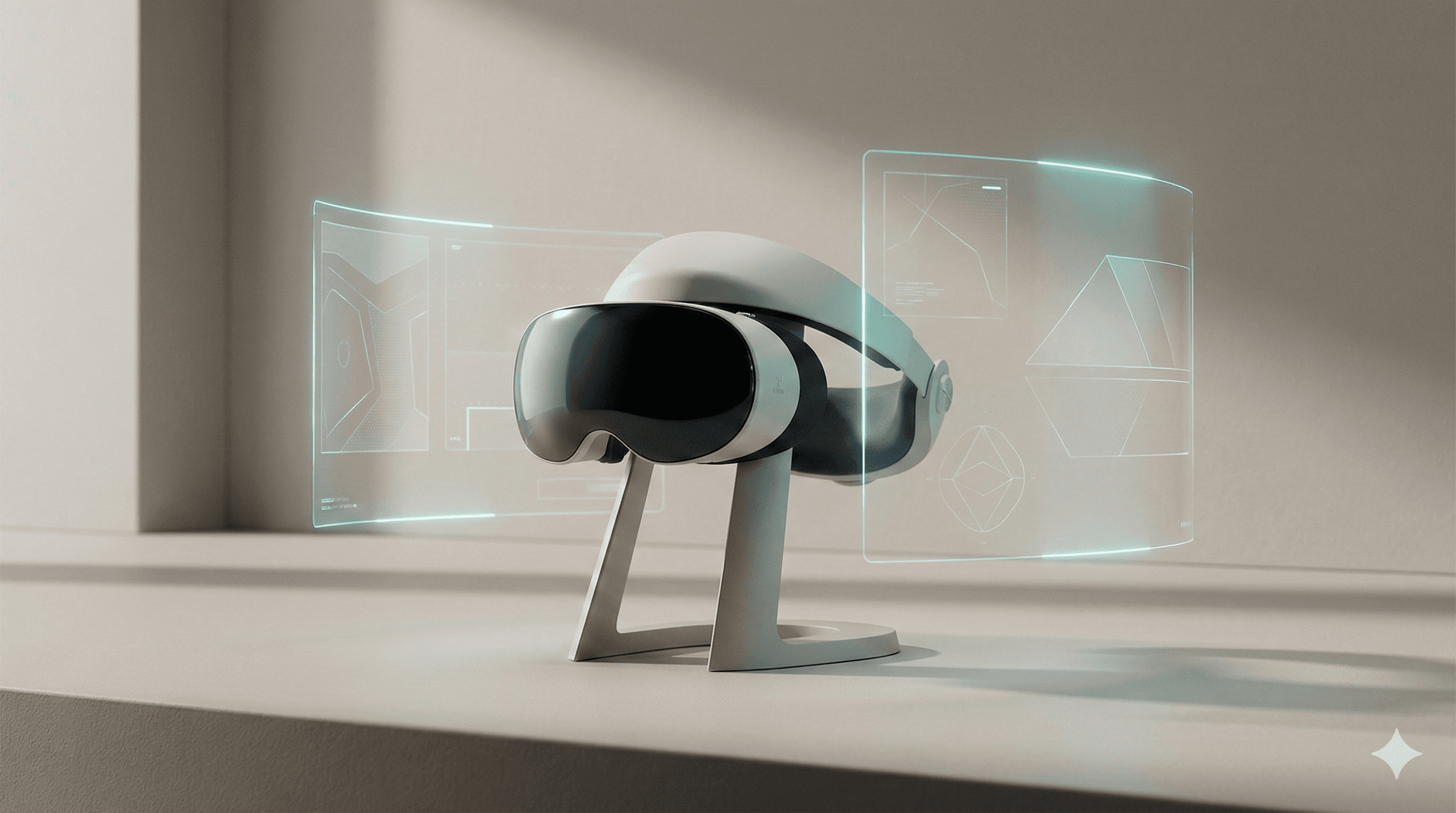
Spatial computing challenges designers to think beyond the frame. This article explores how to design for depth, scale, and environment—and why context is the new constraint.
Master the fundamental principles of user interface and user experience design. Learn visual design, user research, accessibility, design systems, and modern tools to create exceptional digital products.